
Performance Improvement
Developing winning behaviours to maximise client ROI
Optimising Operational Performance
Salos have a track record of ensuring operational excellence and delivering significant improvements for our clients.
Using our unique performance improvement systems we are able to identify early project wins, transfer lessons learned, optimise the current operations and leave a legacy of high performing teams. In a recent short engagement our Better, Options, Measure Success approach helped our client realise $1M of savings in our first 3 suggested improvements.
Salos continually seek to deliver significant performance improvements. Working closely with the onshore and offshore teams we provide our clients with the assurance of a safe and efficient operation resulting in optimum operational performance.
We can identify and implement areas for improvement, even in the most mature of operations and those that have a current optimisation focus.
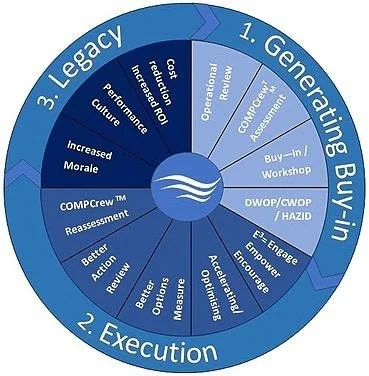
Our Approach; LEAD OpExcellence
LEAD OpExcellenceTM is a world-class operational performance improvement method grounded in our experiences of creating high performing teams.
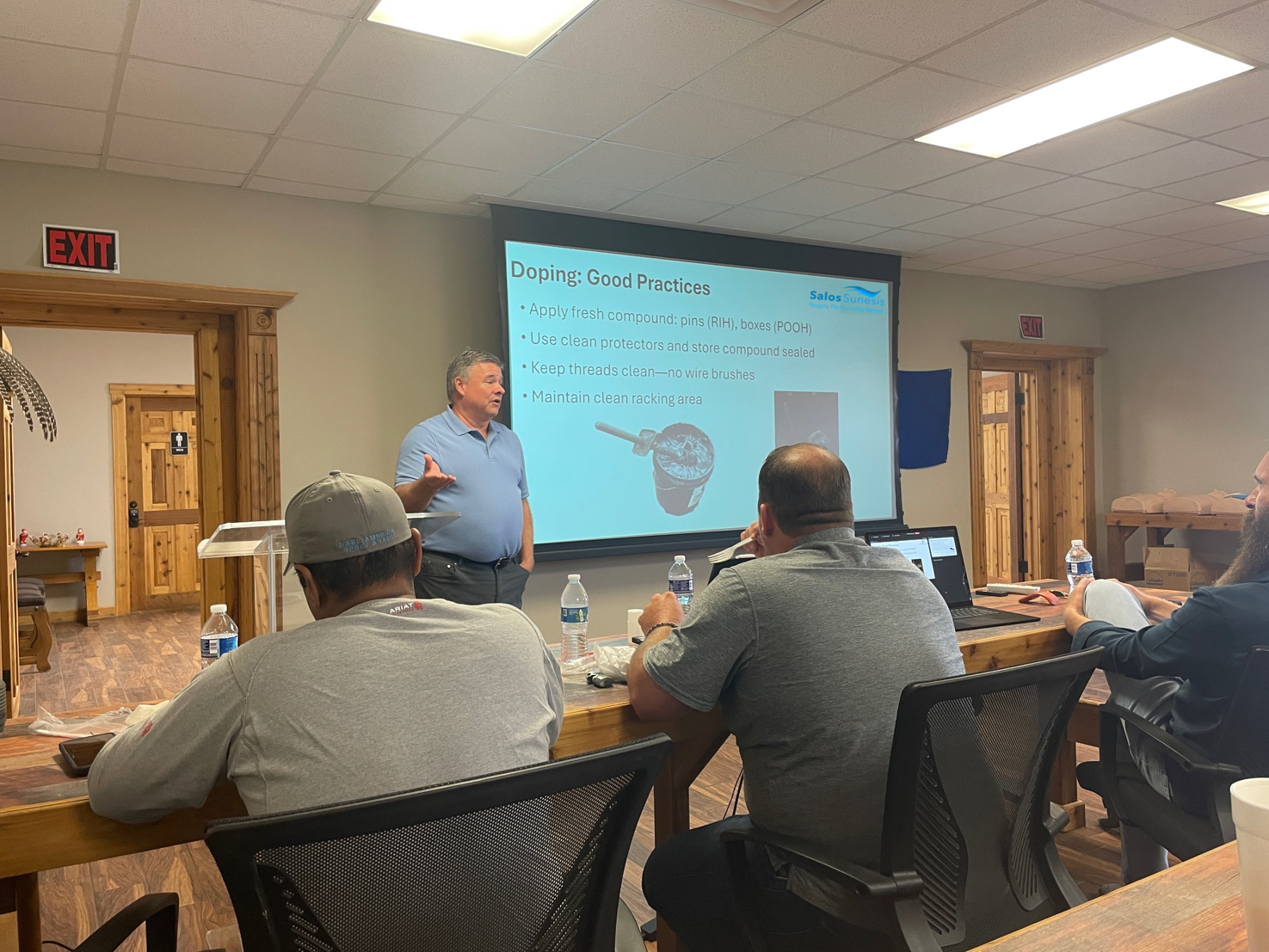
Stage 1 Generating Buy-In
Initiating planning processes with management and field teams to commence the project with winning-outcomes in mind. Operational readiness reviews identify project needs and areas for development, captured in the form of a performance roadmap. Engaging the teams to identify early project wins, such as in DWOP workshops, brings them into the process and have an increasing desire to perform.
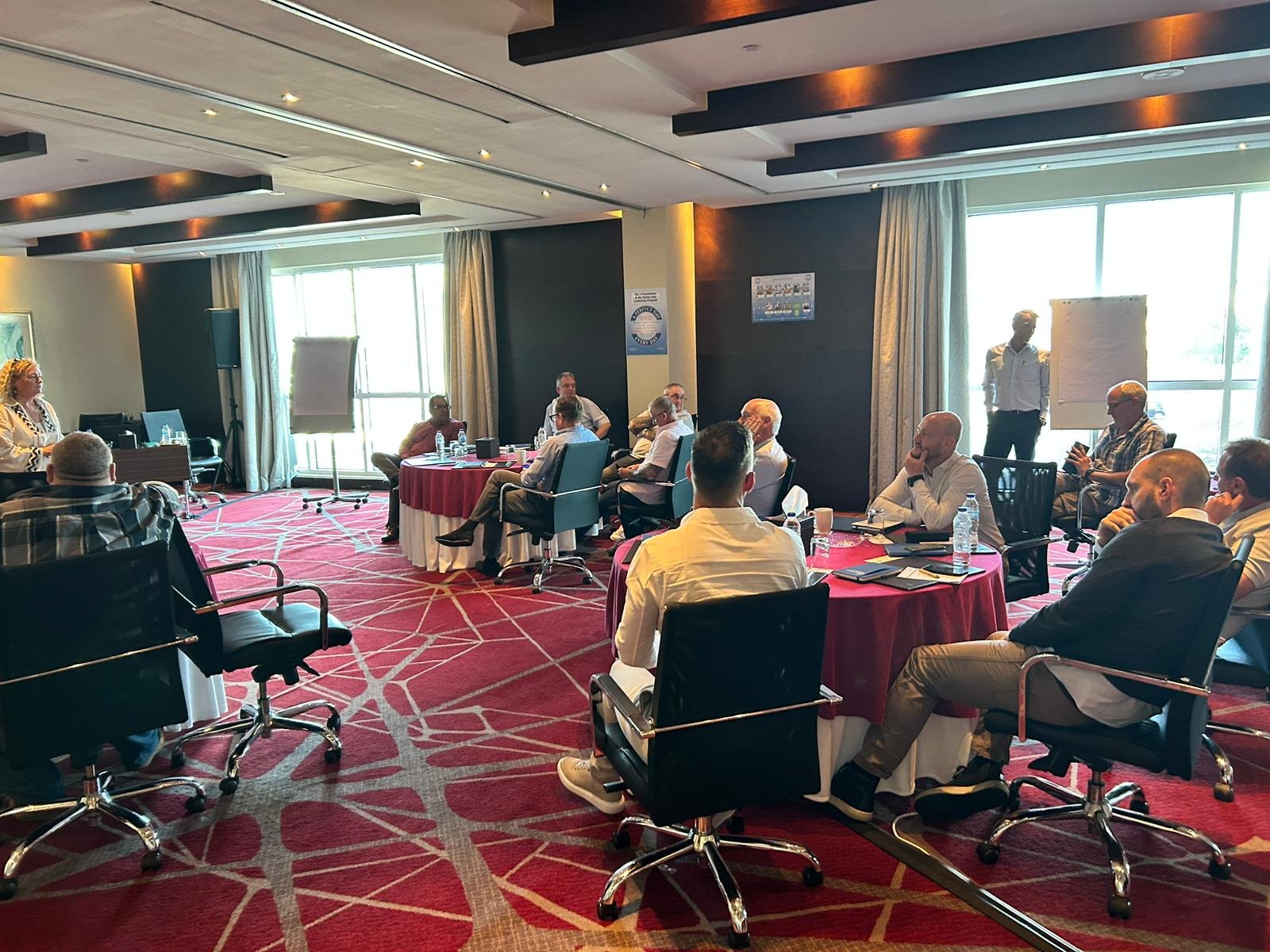
Stage 2Execution
Execution of the continuous performance improvement process is the most vital stage of the OpExcellence Plan, Do, Measure, Act cycle. This stage involves training, coaching and mentoring the wellsite teams to drive performance by developing winning behaviours. Continuous performance improvement tools, such as Better Idea Goal™, encourage crew participation in achieving a winning outcome during every operation.
By generating multiple improvements and removing “performance roadblocks” team members are more engaged and motivated, resulting in better operational performance, all of which result in lower NPT and reduced projects costs.
Salos are able to deploy operational performance measurement tools that increase awareness of the overall team performance. This enables activity benchmarks to be created, improved on and NPT (and hidden NPT) to be significantly reduced. By creating continuous performance feedback loops the quality, quantity and consistency of actions is improved, thereby saving time and money.
Salos provide 24hour performance support to the client’s operation utilising our unique Project-Asset Coaching System (PACS) and team.
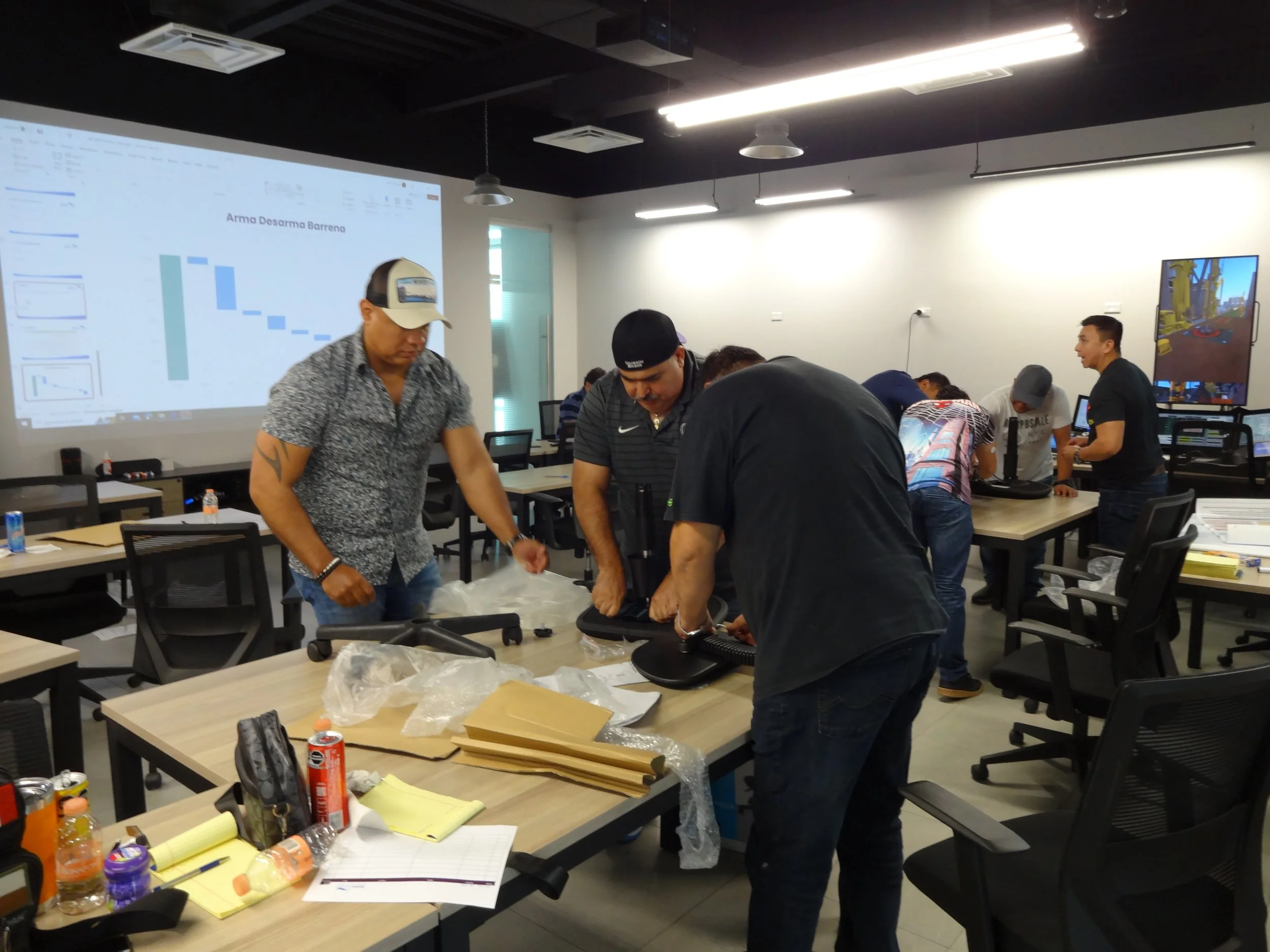
Stage 3Legacy
The target for this stage is to create an ongoing performance improvement culture so that future current operations and future projects can benefit through increased efficiencies and reduced drilling costs.
Our Support Systems
Core to the delivery of the OpExcellence approach is the quality of our coaches and our extremely effective project-asset coaching system (PACS).
Salos have an extensive range of training packages. Our training approach is designed to maximise the engagement and understanding of those who attend. We use a range of training tools and techniques including mini-workshops, videos, case studies and simulations.